

WELCOME TO
PIEMONTE
ENTRACQUE
A corner of nature and tradition in the upper Gesso Valley
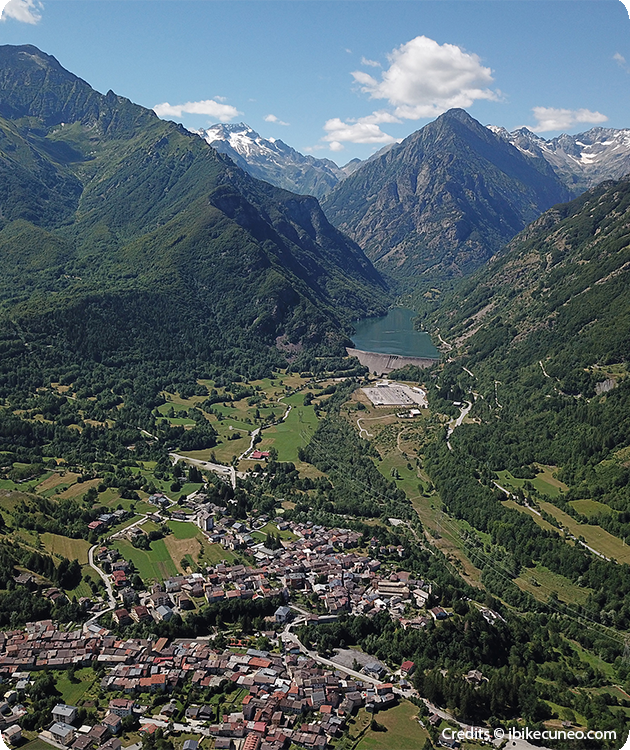
Entracque is a municipality of 745 inhabitants that is part of the province of Cuneo, the mountain community of the Alps of the Sea and the Park of the Maritime Alps. The name derives from the Latin Intra aquas, “between the waters”, since the village is crossed by three watercourses: the Gesso stream, the Bousset stream and the Pramalbert (or Colletta) stream, which divides the village in two.
The historic center retains the charm of the wooden and stone mountain houses, with numerous fountains that testify to the ancient link with water.
The church of Sant’Antonino Martire, dating back to the thirteenth century, was built thanks to the work of Benedictine monks.
How to Get There
Entracque can be reached by taking the A6 Turin-Savona, then taking the A33 Asti-Cuneo to the capital, from which, following the signs for Borgo San Dalmazzo first, Valdieri and Entracque then, you arrive at your destination.
For those who prefer public transport:
Bus: regular connections from Cuneo with Granda Bus.
Train: the most convenient station is Borgo San Dalmazzo (Turin-Cuneo-Ventimiglia line), from which you can continue by bus to Entracque.
From Milan: 270 km
From Nizza: 129 km
From Turin: 121 km
From Genova: 171 km
From Parma: 341 km
Places to Discover in the Area
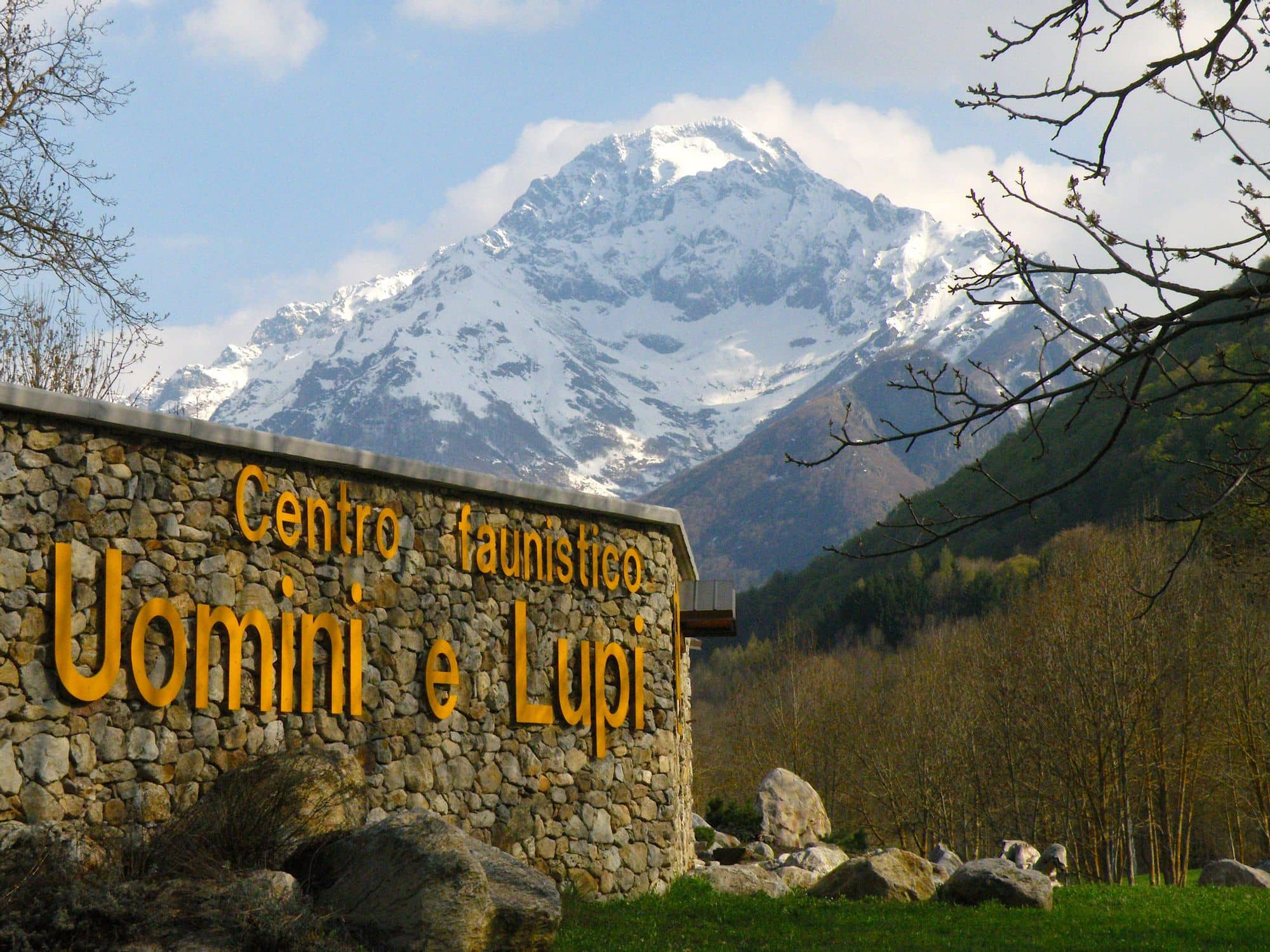
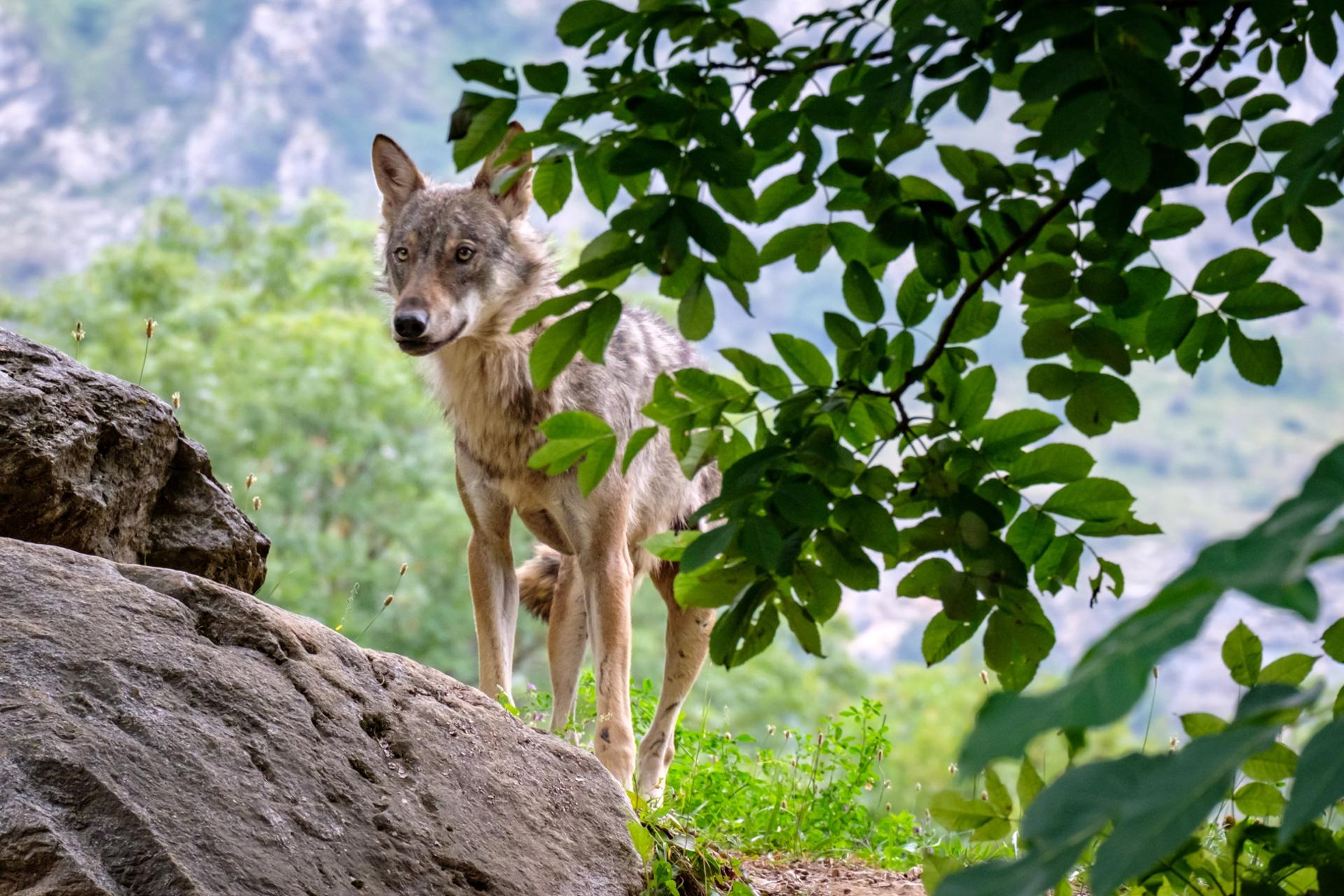
“Uomini e Lupi” Wildlife Centre, the first wildlife centre in the Italian Alps entirely dedicated to the wolf. It features exhibition areas in Piazza Giustizia e Libertà and in the Casermette area, where visitors can deepen their understanding of the animal’s behaviour and natural habitat.
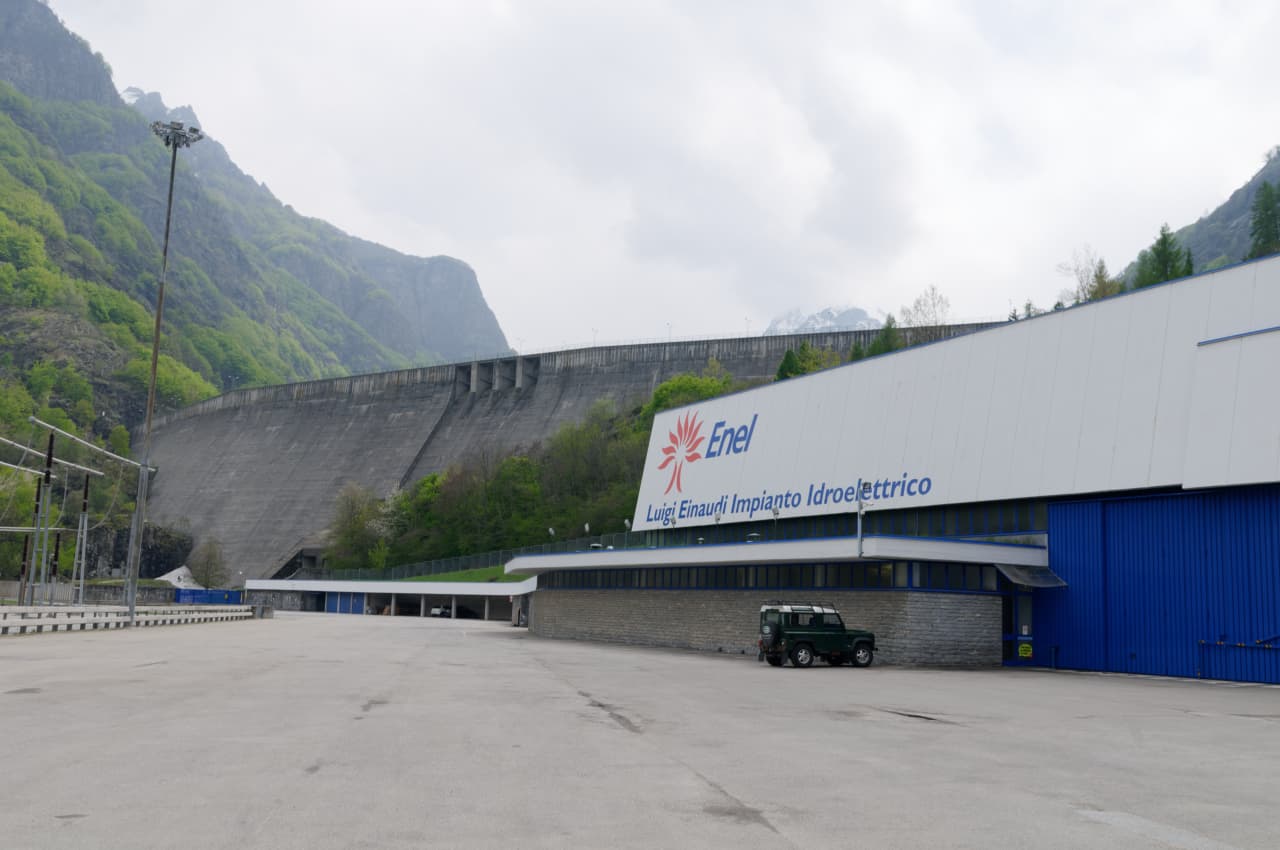
Enel’s most important hydroelectric power station, with an information centre and tours. Open to tourists and schools, it offers guided tours and educational programmes.
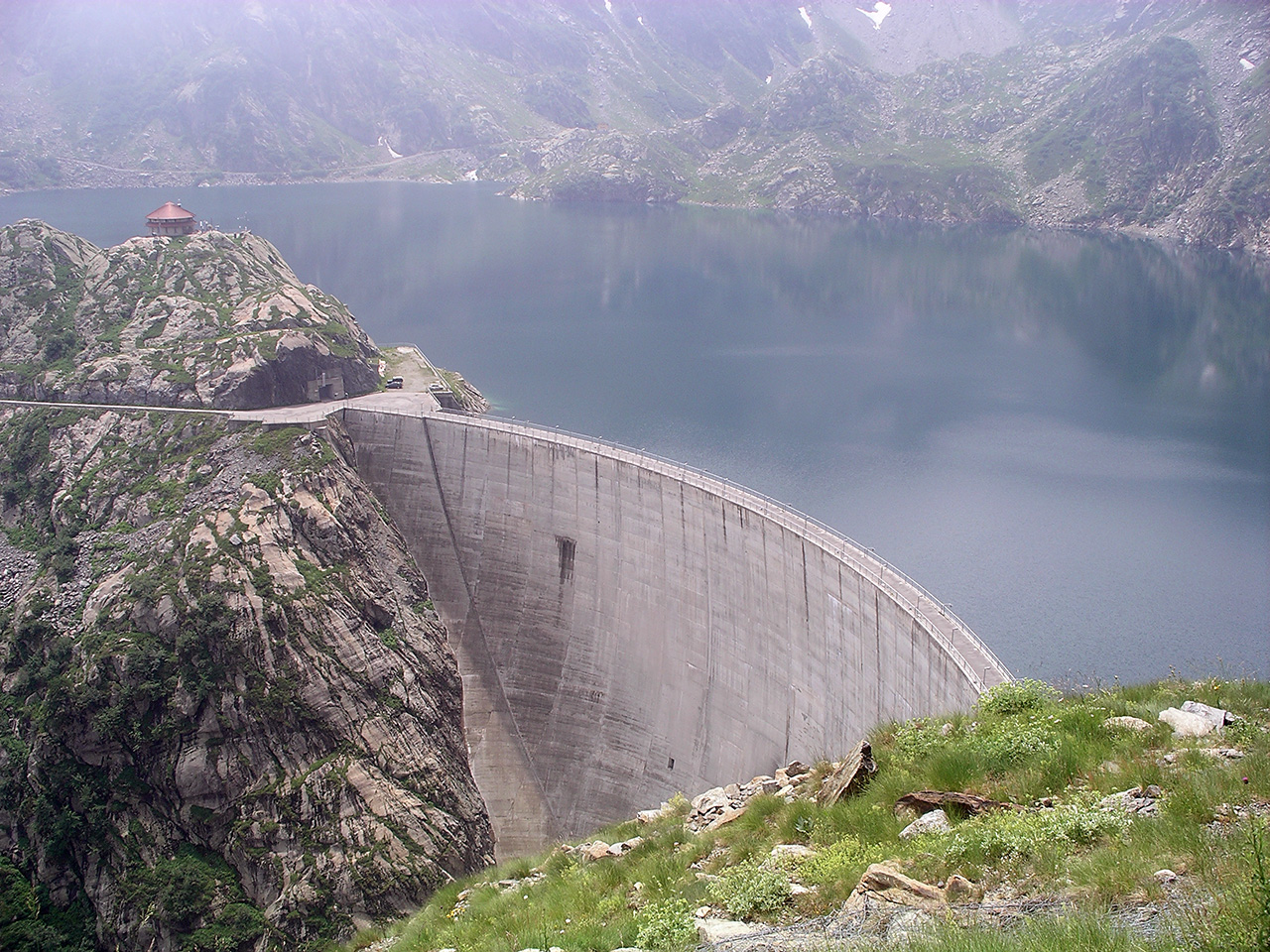
The Entracque hydroelectric plant, dedicated to the former President of the Republic Luigi Einaudi, is located in the municipality of the same name in the province of Cuneo. It is the largest hydroelectric plant in Italy and one of the most powerful in Europe.
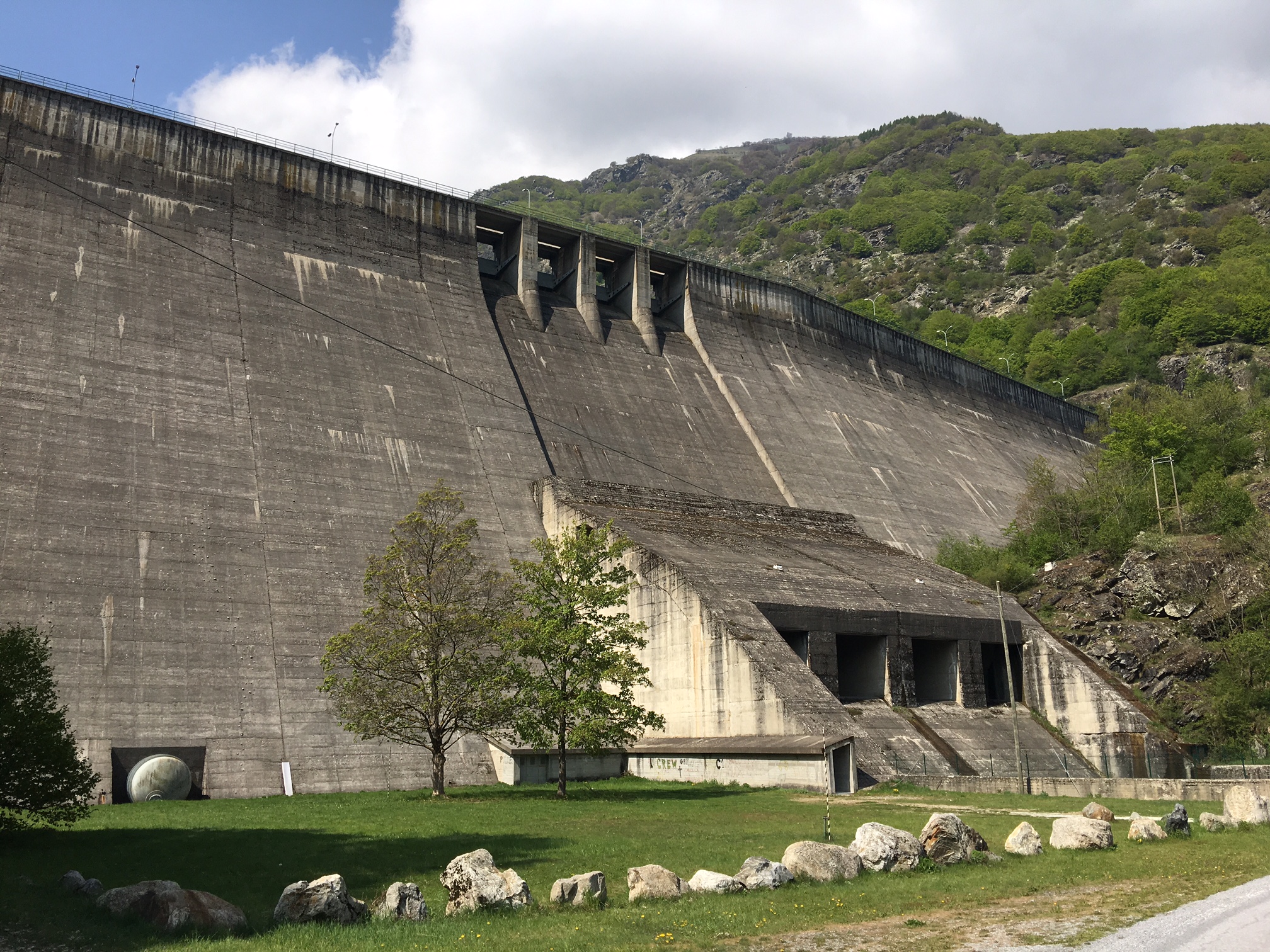
The plant consists of two dams immersed in the spectacular scenery of the Maritime Alps: the Chiotas dam, located at almost 2,000 meters above sea level, and the Plate dam, located about
1,000 meters. The two connected basins have a total capacity of about 42 million cubic meters of water.
Construction work began in 1970 and the plant was inaugurated in 1982. The construction of the plant required massive interventions: over 1,300,000 cubic meters of earth and rock were removed to dig tunnels, wells and underground structures. About 750,000 cubic meters of material were used for the construction of the concrete works, of which 360,000 were used exclusively for the Chiotas dam.
The plant is a pure pumped storage plant: the turbines also perform the function of pumps, allowing the same water to be transferred from one basin to another. This system works like a huge natural battery, capable of accumulating energy when the water is pumped upwards and returning it when the water goes down. In this way, the plant contributes to the stability of the electricity grid, promoting a more efficient use of non-programmable renewable sources, such as solar and wind energy.
In addition to the production of electricity, the basins of the plant also play an important role for agriculture in the plains, providing water reserves useful for crops. Dams also represent a fundamental protection in the event of extreme weather events: they can retain large quantities of water during the most intense phases and gradually release it downstream once the emergency is over. A significant example occurred in 2020, during Storm Alex, when one of the dams managed to hold a volume of water equal to about a third of its capacity in a single night.
Downstream of the dams there is a cross-country ski track and the wall of the Piastra dam, equipped for sport climbing. The plant can also be visited by appointment: the tour starts from the Information Center, where a three-dimensional model of the plant is exhibited and exhibition rooms and temporary exhibitions linked to the territory are set up. The visit then continues aboard an electric train that leads to the basement, allowing you to closely observe the structures and machinery of the plant.
Operating capacity: 1,200 MW
Energy requirements: Approx. 160,000 households per year
CO2 emissions avoided: 196,962 tons per year
Energy production: 430 GWh, Average production in the last three representative years.
Margreen: what is
Margreen is the name of the Green Community project that concerns the Valle Stura, Gesso and Vermenagna. Margreen – “Maritimes, the Alps that look at the Mediterranean” is a project launched by the Unione Montana Valle Stura, thanks to the funds of the National Recovery and Resilience Plan (PNRR), and affects the life of 20 municipalities, a strategic Alpine territory located between three important international passes: Colle della Maddalena, Colle della Lombarda and Colle di Tenda, and is crossed by the historic Cuneo-Ventimiglia-Nice railway line.